

Leadership
To contact our leadership team, email: secretary.tribal.planning@gmail.com
Executive Council through December 21, 2026
Jennifer Woods, AICP: Chair (2024–2026)
Shelly Wade, AICP: Vice Chair (2026–2028)
Martha Droge: Treasurer (2026–2028)
Megan Flory: Secretary (2026–2028)
Andrew James Strobel: Member-at-Large (2024–2026)
J.D. Tovey, AICP: Member-at-Large (2024–2026)
Dylan Michael Stevenson: Member-at-Large (2024–2026)
Mark Kawika McKeague, AICP: Member-at-Large (2024–2026)
Gina Gradias: Student Member-at-Large (2024–2026)
Executive Council beginning January 1, 2027
Jennifer Woods, AICP: Chair (2027–2029)
Shelly Wade, AICP: Vice Chair (2026–2028)
Martha Droge: Treasurer (2026–2028)
Megan Flory: Secretary (2026–2028)
Dylan Michael Stevenson: Member-at-Large (2027–2029)
Ethan "Red Eagle" Lawton: Member-at-Large (2027–2029)
J.D. Tovey, AICP: Member-at-Large (2027–2029)
Mark Kawika McKeague, AICP: Member-at-Large (2027–2029)
Brianna Corcoran: Student Member-at-Large (2027–2029)
2026 Election Winners (2027–2029 Term)
The results are in, and we are excited to announce the winners of our 2026 Executive Council Election. Keep scrolling to read the position statement each incoming member-elect provided for the ballot.
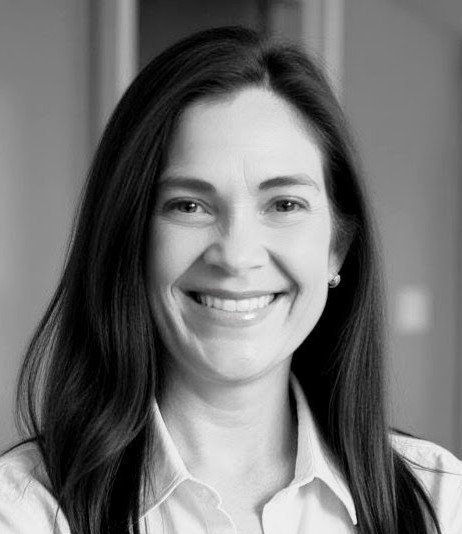
Jennifer Woods, AICP: Division Chair (Returning)
Serving as the current Chair of the Tribal and Indigenous Planning Division has been a profound honor. Together, we’ve successfully grown the Division by welcoming a diverse range of Tribal and Indigenous Planning perspectives, increasing opportunities for knowledge exchanges, and providing capacity building through partnerships, such as co-hosting conferences with the Oregon Chapter of APA, the Western Planner, and the South Dakota Planning Association. We have several new Committees that are getting even more of our members involved while pursuing the Division's mission. We hope to grow our Committees in the near future and get even more members involved. Find out more at https://tribal.planning.org/. We also hope to see even more of your work presented at future National Planning and other Conferences. Having served in this role for the last two and a half years, and with the Interest Group before that, I feel a deep connection to the work we are doing together. As a Citizen of the Chickasaw Nation and a professional planner whose career has spanned from the Pacific Northwest to the Gulf Coast, I bring a broad perspective that I hope continues to benefit our Division. I would be honored to keep serving our shared mission for the next three years as your Division Chair, and I ask for your vote and support to keep our momentum moving forward.
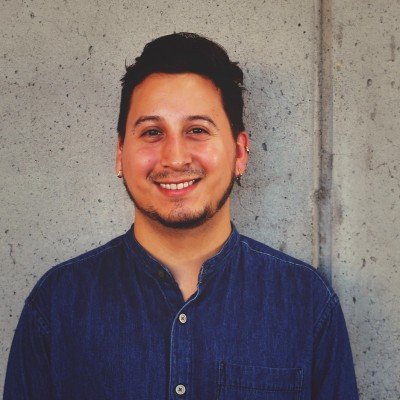
Dylan Stevenson, Ph.D., AICP: Member-at-Large (Returning)
My name is Dylan Stevenson, Ph.D., AICP (Prairie Band Potawatomi Nation and Citizen Band Potawatomi Nation descendant) and I am an Assistant Professor in the Department of Urban Design and Planning at the University of Washington (UW). At UW, I teach a variety of urban planning undergraduate and graduate courses such as Environmental Response, Qualitative Research Methods, and Indigenous Planning. Within this capacity, I have worked with a variety of Tribes in the State of Washington and have partnered with Urban Native organizations in the Seattle area, bridging planning practice with Indigenous values.
My research focuses on how planning can support the ongoing work Indigenous communities and Tribes are already doing to fulfill our stewardship responsibilities. I approach this research through a historic preservation and environmental planning lens and have participated in projects that cover an array of topics like Land Back, climate response, and more recently, intangible cultural heritage (language, other cultural practices, etc.) within planning. Through this work, I see planning as a means through which we can support Indigenous self-determination and sovereignty by focusing on our worldviews, values, and practices, in the process.
I currently serve as one of the Member-At-Large for the Tribal and Indigenous Planning Division (TIPD) of the American Planning Association, and hope to be elected to serve for a second term. Over the past 3 years, I have served on the Communications Committee where I have contributed a Planner’s Spotlight article, our division’s membership survey, and run the TIPD’s social media account. Based on my conversations with the TIPD members at the most recent APA NPC, I hope to continue working with our members and the Communications committee by increasing our online presence and begin gathering planning resources (projects, professional and research articles, etc.) for our members. I also hope to contribute my experience as an assistant professor to further engage with our student members and support the next generation of Tribal and Indigenous Planners as they transition into their careers.
Dylan holds an Associate Degree in Liberal Arts from De Anza College, a bachelor’s degree in Linguistics from the University of California, Davis, a Master of Planning from the University of Southern California, and a Doctor of Philosophy in City and Regional Planning from Cornell University. He is also a certified planner (AICP) with the American Planning Association.
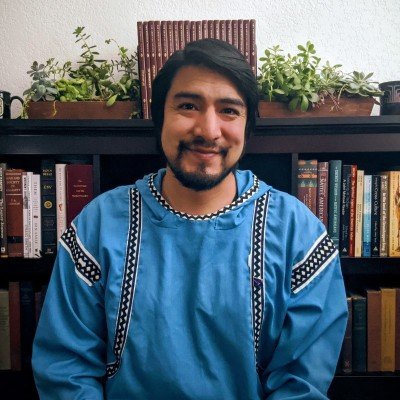
Ethan "Red Eagle" Lawton: Member-at-Large
As a Native (Inupiaq, Navajo, Sioux, and Tohono O'odham) planner and Tribal Liaison I will contribute, share, and learn with other native planners throughout the Division.
Planning effects Native American people, tribal governments, and various tribal departments and can help with improving relationships between tribal and non-tribal entities, promoting understanding on tribal sovereignty, tribal lands (fee/trust), tribal cultural resources, consultation, outreach, and confidentiality.
Having lived on and off the Rez, 10+ years of planning experience (permits, land use projects, municipal planning, and NEPA/CEQA), and good working relationship with many local north coast California tribes, agency staff, and private clients, I will assist in the success of cross-cultural, multi-jurisdictional, intergovernmental, and tribal-related efforts.
I am very active in AEP and local chapter presenting in workshops, conferences, and guest lecturing at California State Polytechnic University, Humboldt. I look forward to the opportunity to be more involved in APA. Aho!
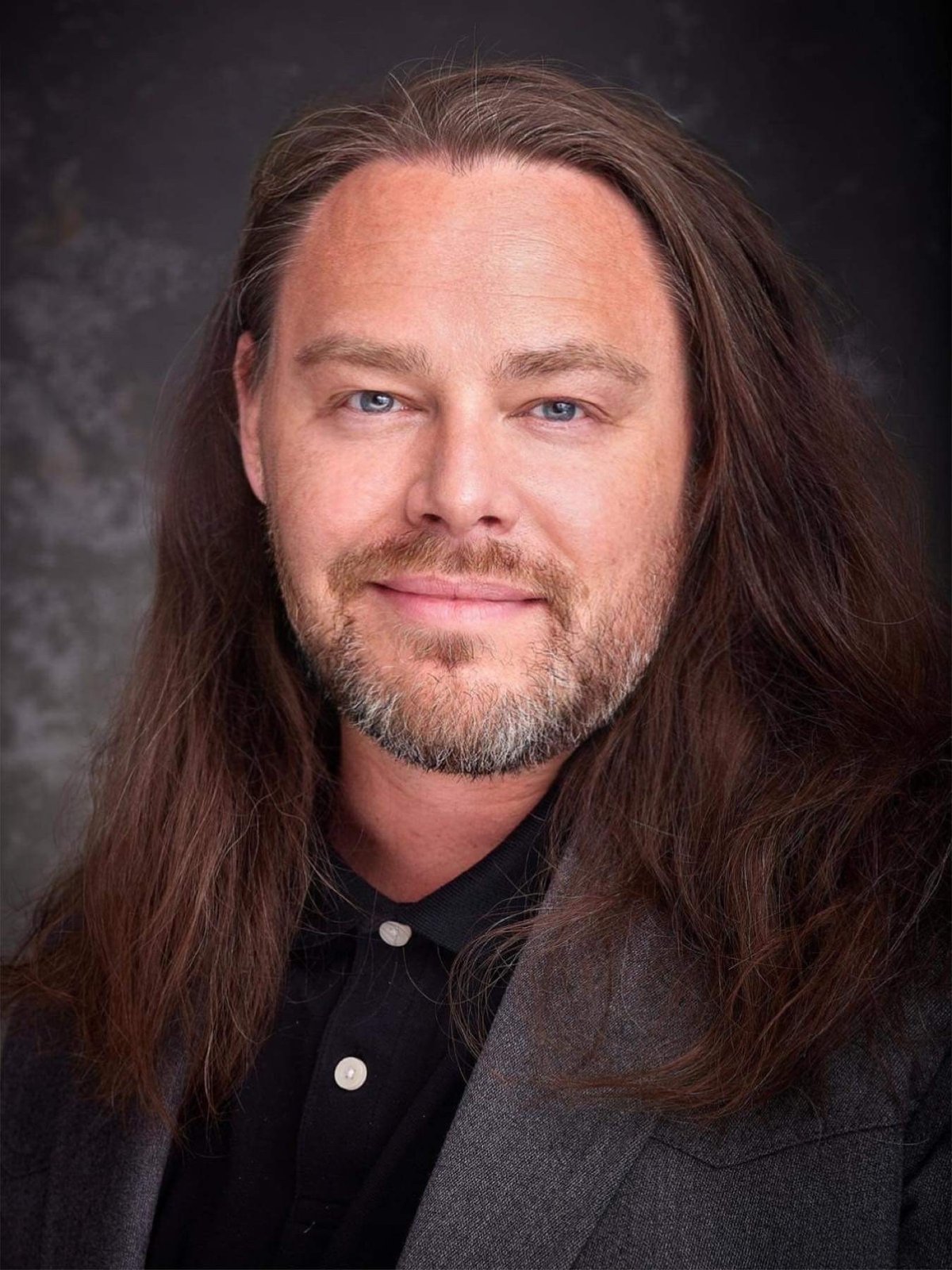
J.D. Tovey, FAICP: Member-at-Large (Returning)
It has been a privilege to serve on the Executive Committee for the Tribal and Indigenous Planning Division during this past term. The programming, coordination, and participation has only been growing since it's reformation. There are some great ideas and next steps for the
Division that I would like to continue working on including:
- Ever greater prominence at the National Planning Convention.
- Developing a resource library from members presentations at various conventions or meetings.
- Establish and promote TIPD endorsed keynote speakers.
- Continued development and recruitment for TIPD scholarship fund.
- Development of a Division FAICP nominations review and support committee.
These are just a few of the great projects I would be grateful to continue working on if so chosen.
Qac'yewyew - Thank you
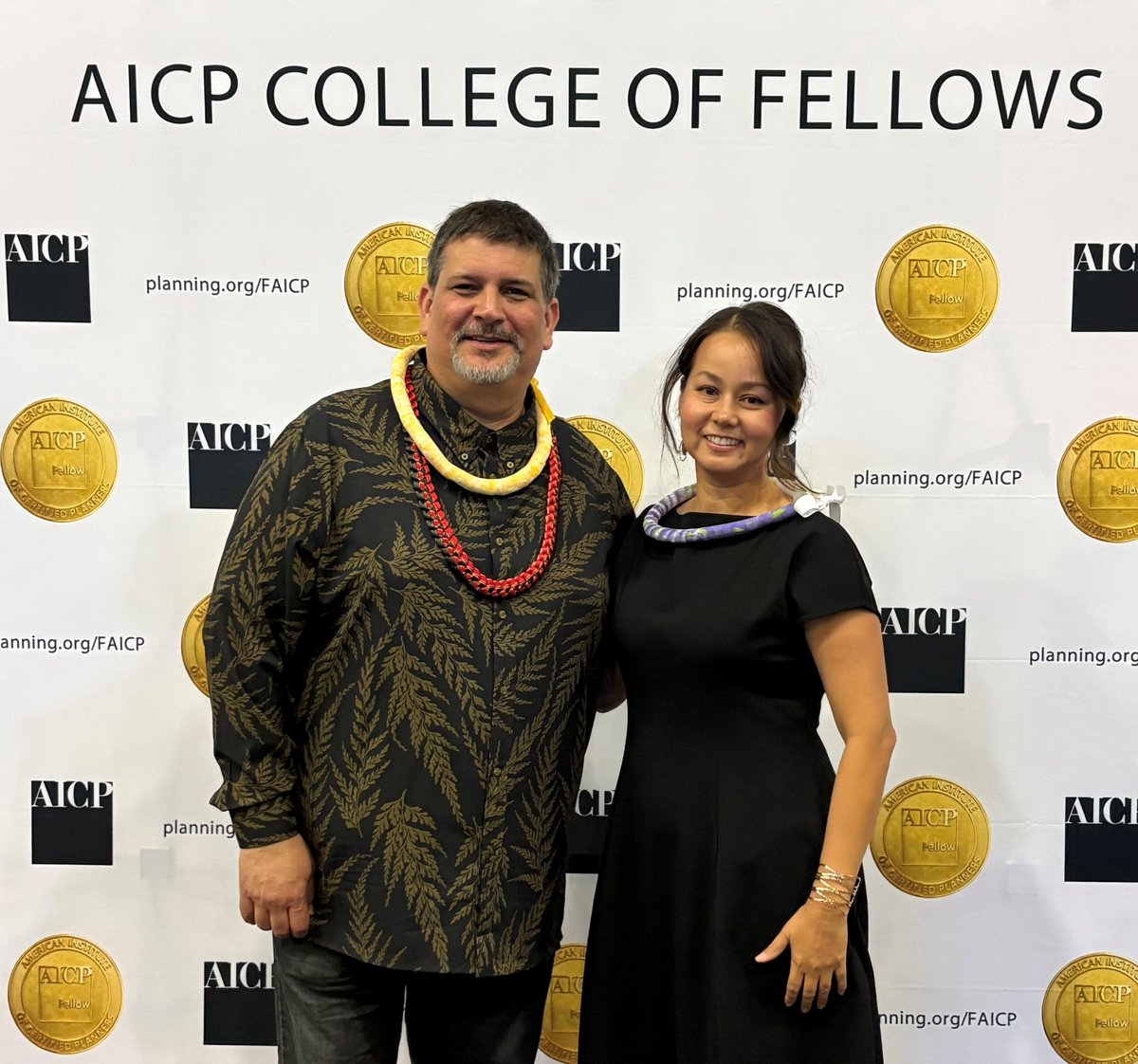
Mark Kawika McKeague, FAICP: Member-at-Large (Returning)
Mark Kawika McKeague, FAICP, is President and a Planning Principal at G70, a Hawai‘i-based planning, architecture, and engineering firm. As a Kanaka Maoli cultural practitioner and urban planner, his work integrates Indigenous knowledge systems into contemporary planning practice, advancing approaches that honor the cultural, environmental, and relational foundations of place.
With more than twenty years of experience, Kawika has led work across land use planning, cultural and natural resource management, affordable housing, renewable energy, agriculture, and community economic development. His practice is grounded in navigating complex regulatory environments while maintaining focus on community voice, cultural integrity, and long-term stewardship. He holds a Bachelor of Arts in Political Science and a Master of Urban and Regional Planning from the University of Hawai‘i at Mānoa, along with a graduate certificate in Historic Preservation.
Kawika’s leadership is rooted in the understanding that planning carries responsibility. His work focuses on addressing inequity, restoring relationships to ʻāina, and supporting community self-determination. He advances a form of practice that integrates cultural perspective and emotional intelligence into decision-making, with a belief that hope plays a necessary role in how communities move toward more just and resilient
futures.
In 2026, Kawika was elevated to the College of Fellows of the American Institute of Certified Planners, recognizing sustained leadership and impact on the profession and the communities it serves. He serves on the Executive Council of the American Planning Association’s Tribal and Indigenous Planning Division, where he contributes to policy and program discussions, helps shape emerging ideas, and offers perspective on ethical considerations and culturally grounded approaches to planning practice.
Beyond professional practice, Kawika’s leadership extends deeply into community and cultural work. Since 2001, he has served as President of PA‘I Foundation, a nonprofit dedicated to the preservation and perpetuation of Native Hawaiian arts and culture. Under his leadership, PA‘I has advanced initiatives such as the Maoli Arts Movement and built partnerships with organizations including the Ford Foundation, Harvard Medical School, and the John F. Kennedy Center for the Performing Arts. The foundation also served as a community partner in the Ola Ka ʻIlima Artspace Lofts, an 84-unit affordable housing development for artists in Honolulu.
His commitment to cultural practice is lifelong. For more than twenty-five years, Kawika has studied hula under Kumu Hula Victoria Holt-Takamine of Pua Aliʻi ʻIlima, achieving ʻūniki as both ʻōlapa and ho‘opa‘a. His work includes advocacy for Indigenous rights through service as a legislative liaison for ʻĪlioʻulaokalani and as a Governor-appointed member of the Oʻahu Island Burial Council, where he helped guide decisions on the protection of Native Hawaiian burial sites.
Kawika is also a composer of Hawaiian poetry and song, reflecting continuity between cultural expression and professional practice. In 2012, he received the State Foundation on Culture and the Arts Folk and Traditional Arts Master-Apprentice Grant, studying under kīhoʻalu master Cyril Lani Pahinui.
Across his work, Kawika’s practice reflects a consistent throughline. Planning is kuleana, or responsibility, to place, to people, and to future generations, guided by the belief that planning can restore dignity, strengthen identity, and expand the potential what communities are able to achieve.
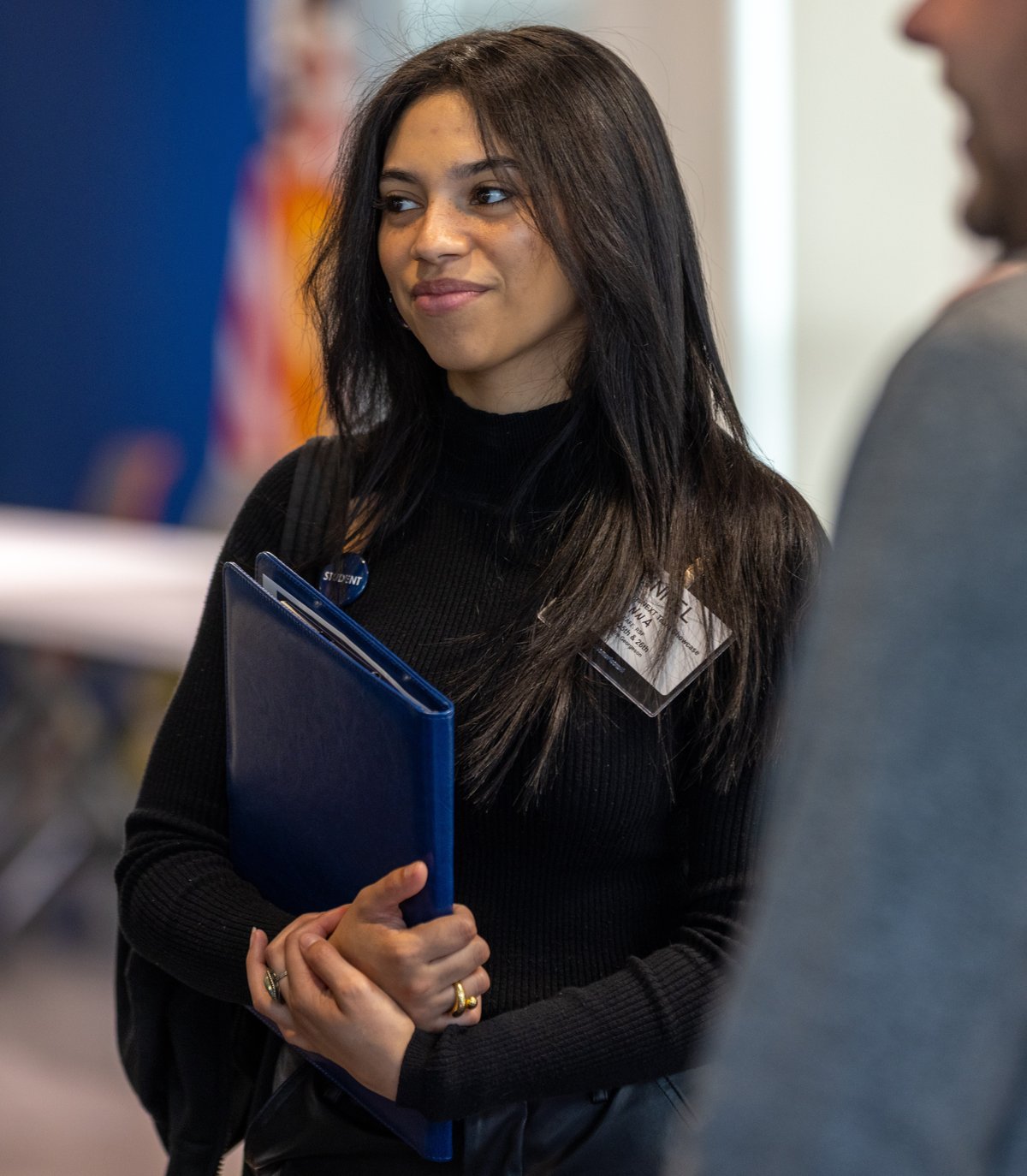
Brianna Corcoran: Student Member-at-Large
As an undergraduate anthropology student at UC San Diego concentrating in Climate Change and Human Solutions, with a minor in Urban Planning and Marketing, I am deeply interested in how planning can either reproduce harm or serve as a tool for repair, stewardship, and community self-determination. My academic work focuses on the relationship between people, land, climate, and culture, and I am especially drawn to planning approaches that honor Traditional Ecological Knowledge, environmental justice, and the lived experiences of communities most affected by climate change.
Through my coursework, I have been studying Traditional Ecological Knowledge and the importance of recognizing Indigenous communities not only as communities facing disproportionate impacts from climate change, but also as knowledge holders whose relationships with land, water, and ecosystems offer vital lessons for more sustainable futures. Indigenous communities are often on the front lines of climate disruption, from land loss and water insecurity to threats against cultural practices and food systems. Because of this, I believe planning must do more to protect Indigenous sovereignty, preserve cultural and ecological knowledge, and support community-led solutions.
I am applying for the Student Member-At-Large position because I would be honored to support the Tribal and Indigenous Planning Division’s mission while helping create more pathways for students and emerging professionals to become involved. As a student, I understand how important mentorship, scholarships, accessible resources, and professional networks can be, especially for those who are still learning where they belong within the planning field. I would bring a student-centered perspective, strong communication skills, and a genuine commitment to helping other students feel welcomed, informed, and encouraged to participate.
My background includes student leadership, sustainability work, and research related to climate change and local food systems. I am the founder and president of a vertical farming and hydroponics club, and an undergraduate researcher studying how local farmers and food growers are responding to climate change in Southern California. These experiences have taught me that environmental issues are never only technical; they are also cultural, political, historical, and deeply connected to land and community. That perspective is one I would carry with humility into this role.
If selected, I will support student engagement by sharing opportunities, promoting scholarships, listening to student members' needs, and contributing to Division projects as needed. I am eager to learn from Tribal and Indigenous planners, support the Division’s broader work plan, and strengthen connections between students, emerging professionals, and established leaders in the field.
I see this position as both a responsibility and a learning opportunity. I would approach it with respect, curiosity, and a willingness to listen first. My goal would be to help uplift student voices while supporting the Division’s commitment to planning that recognizes sovereignty, culture, land, and future generations.